
Hi! I’m Kelly Jones, and I study Materials Science and Engineering. I’m on exchange at Denmark Technical University (DTU), which is just outside of Copenhagen.
Upon arriving at the Introduction week for Exchange students, I learned about the structure of classes for the upcoming term. Each class would be taught in four-hour blocks. Classes are taught from 8 am to 12 pm, 1 pm to 5 pm, or 6 pm to 10 pm. The one-hour breaks in the day were for lunch or dinner. When I first heard that, I was astonished! Four hours for every lecture? How would I keep my concentration for that long? The longest courses I had taken at Drexel were lab classes that kept me engaged for long periods of time.
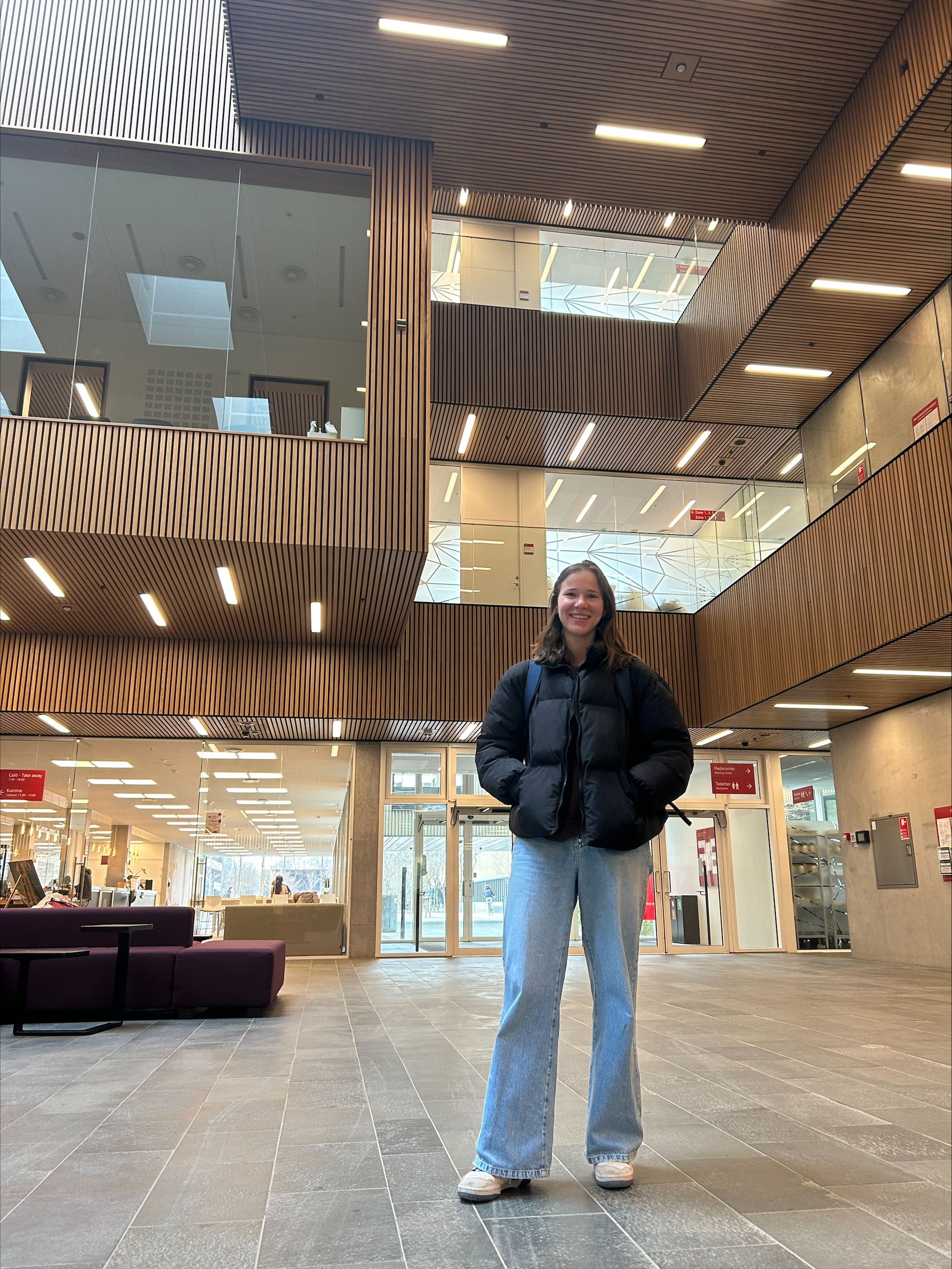
I walked into my first class in week 1, feeling nervous about the new atmosphere. All around me, greetings in all different languages filled the air. I recognized Spanish, French, and Italian words as I shuffled into a long row of seats in the lecture hall. After 45 minutes of lecturing, the professor paused, looked at his watch, and gave us a 15-minute break. Most of the students got up, grabbed their coats, and went outside with their friends to catch a few fleeting minutes of sunlight in the late Danish winter. This was a routine I came to expect, as it was the norm in most classes at DTU. Professors planned a break about every 45 minutes to an hour to allow the students’ brains to rest from the dense lecturing that had just occurred.
The first few weeks were rough, as at around the two-hour mark of each class, I began to feel drowsy and had trouble focusing. The semester went on, though, and I felt myself adjusting. In a few of my classes, the professor planned to only lecture for two hours and leave the last two hours for practice problems or group work. This planning was revolutionary for both my concentration levels. Instead of dreading focusing for hours on end, I could look forward to group work and discussion time in class. Yet another bonus to this structure of having a two-hour lecture and two-hour work time period was that it enabled the students to chip away at any assignments that were given.
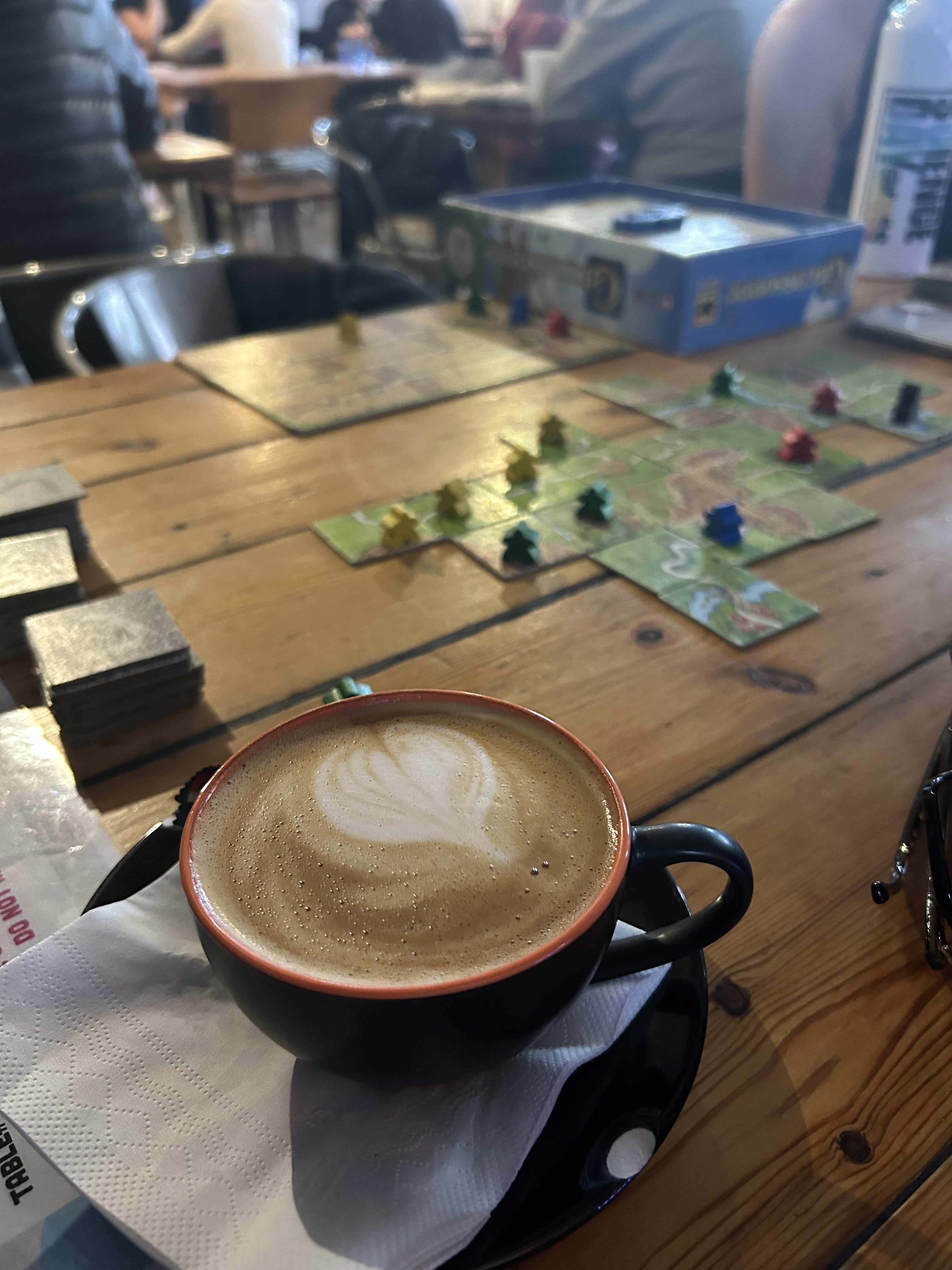
Contrary to what I was used to in the American schooling system, I really haven’t had that much homework at DTU. For a few of my friends, that isn’t entirely true, as they do have projects they need to work on throughout the term, but I have spent much less time on homework than at Drexel. At Drexel, I often had to stay up into the early hours of the morning, hurrying to get assignments done before class or spend hours and hours on one weekly problem set. Because I haven’t had to spend as much time on homework, I am able to prioritize both my learning and personal time. I focus on school and problem work in class, and when the designated class time ends, I don’t have to worry nearly as much about schoolwork afterward. I feel more carefree, as I am able to dictate how I want to spend my time after school hours. The work life balance while studying at DTU is much more enjoyable than when studying at Drexel (and probably any other American university). Granted, I still have to study on my own and catch up on work that I might not have finished during the designated group work time, but there is much less pressure than at Drexel. Furthermore, some of my classes are project-based, so I won’t even have a final exam. A few of my classes only have one exam in the form of a final exam that represents most of my grade. Gone are the days (for a short while) of staying up until 3 am studying for midterms, only to wake up for an 8 am exam, as I often did at Drexel.
Being at DTU has allowed me to find a much better balance between my learning and hobbies. I am able to attend classes, work out, bake sourdough bagels, go to soccer practice, hang out with friends, and host dinners, all without staying up until wee hours working on assignments. I make my own schedule for when I can designate time to work on schoolwork outside of class time. I am starting to see that this is a reflection of Danish societal norms as well. The standard work week is only 37 hours a week, and the Danish people I know have told me that when the work day ends, workers are expected to stop working and head home, following the strict 37-hour-a-week policy. Danish people really prioritize their home life away from work, which is apparent in their education system.

Two months into my exchange at DTU, I am still enjoying my time learning. The coursework is getting more rigorous, so I have to spend a bit more time outside of class to ensure that I am keeping up, but I still have ample time away from my coursework. I have thoroughly appreciated the balance that studying at DTU allows and look forward to the next two months of my exchange in Denmark.

You must be logged in to post a comment.